
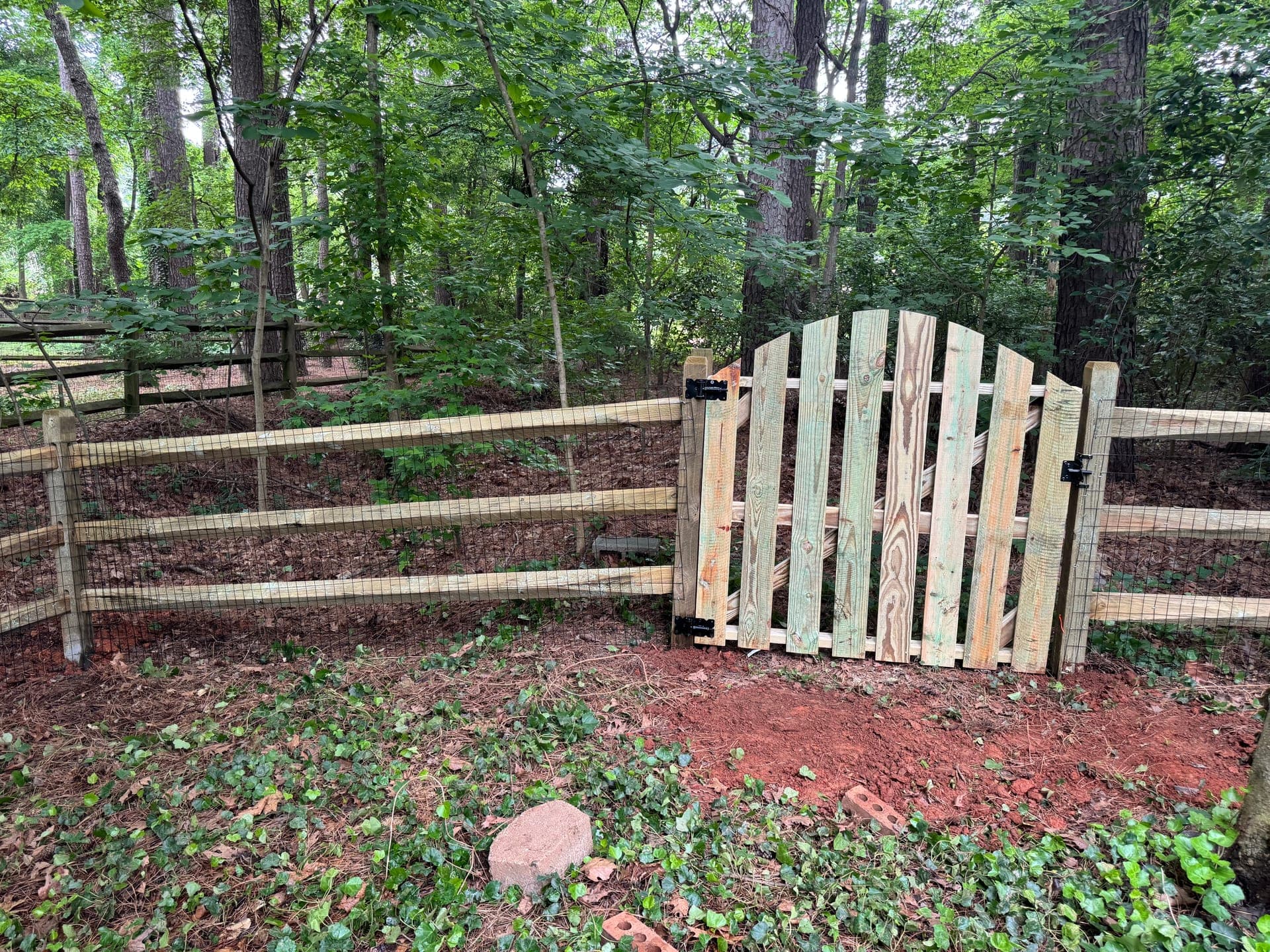
If you own a historic home in Rock Hill, a picket fence can significantly enhance its charm. This guide covers period-appropriate designs that suit older neighborhoods.
The Charm of Picket Fences in Historic Rock Hill
Rock Hill is rich in history, with many neighborhoods showcasing beautiful older homes that reflect the architectural styles of bygone eras. As a homeowner in these historic areas, you want to maintain the integrity of your property while adding curb appeal. Picket fences are an excellent choice to enhance your home’s aesthetic, providing a classic look that complements the architectural features of historic houses.
Understanding Period-Appropriate Designs
When selecting a picket fence style for your historic home, it’s essential to consider designs that align with the era of your property. Here are some popular styles that work well in Rock Hill’s historic neighborhoods:
Colonial Picket Fences
Colonial homes, prevalent in the late 18th and early 19th centuries, often feature simple, symmetrical designs. A Colonial picket fence typically consists of tall, straight pickets spaced evenly apart. The pickets are usually rounded or pointed at the top, which adds a touch of elegance. Painting your fence in traditional colors like white or light blue can further enhance its colonial charm, making it a fitting choice for homes in neighborhoods like Old Town Rock Hill.
Victorian Picket Fences
Victorian homes, known for their intricate details and embellishments, call for a more decorative picket fence. Look for styles with scalloped tops or ornate finials, often painted in rich colors that stand out against the home’s façade. A Victorian picket fence not only adds character but also provides a sense of whimsy that complements the elaborate architecture of homes found in areas like the West End Historic District.
Craftsman Picket Fences
For Craftsman-style homes, which gained popularity in the early 20th century, opt for a low-profile picket fence with wide, flat pickets. This style embraces a more natural look, often left unpainted or stained to showcase the wood’s grain. The horizontal lines and sturdy construction reflect the Craftsman philosophy of simplicity and craftsmanship. This style harmonizes beautifully with the earthy tones and natural materials of Craftsman homes in neighborhoods like the former textile mill areas of Rock Hill.
Material Considerations
While traditional wooden picket fences are a popular choice due to their classic appearance, consider the following materials based on your needs:
- Wood: Classic and customizable, wood is traditional but requires maintenance. Choose pressure-treated lumber for durability against the Carolina weather.
- Vinyl: For a lower-maintenance option, vinyl picket fences can mimic the look of wood and resist fading and rotting, making them suitable for the humid summers in Rock Hill.
- Aluminum: If security and durability are priorities, aluminum can provide a modern twist on traditional styles, although it may not have the same historical appeal.
Local Regulations and Permits
Before installing a picket fence, check the local regulations in Rock Hill and York County. Certain historic districts may have guidelines that dictate the style, height, and materials permitted for fences. It’s essential to obtain the necessary permits to ensure compliance. Our team at Compass Contracting is well-versed in the York County permit process and can help guide you through any requirements.
Final Thoughts
Choosing the right picket fence style for your historic Rock Hill home can elevate its charm and preserve its character. By selecting a period-appropriate design and considering local regulations, you can enhance your property while staying true to its architectural roots.
If you’re ready to explore picket fence options that fit your home’s style, or if you have any questions about local regulations, reach out to us at Compass Contracting. We’re here to help you enhance your home’s curb appeal while honoring its history.