
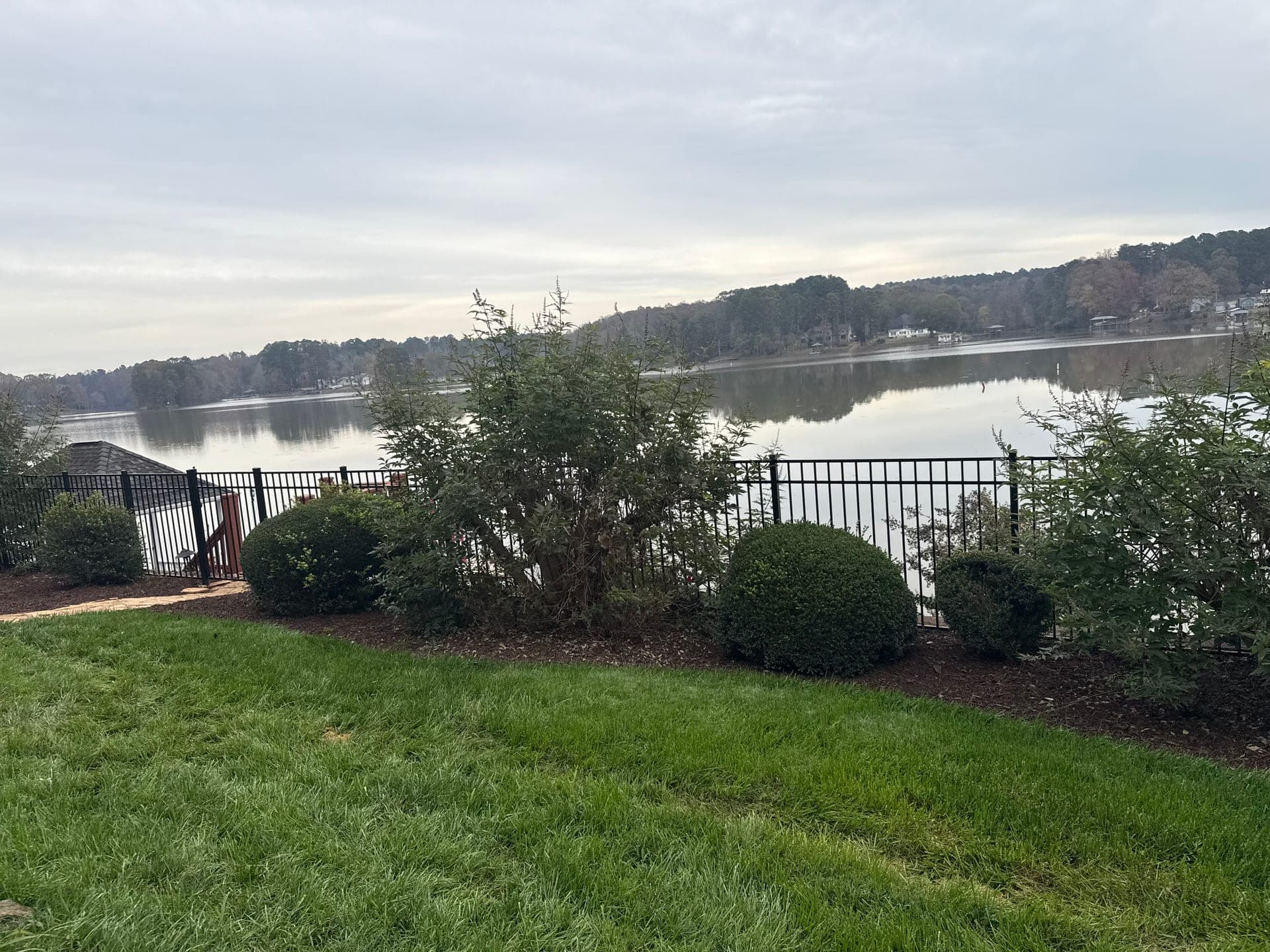
Understanding the pool fence code SC requirements is essential for safety and compliance. This guide covers self-closing and self-latching rules that often fail inspections.
Understanding Pool Fence Code SC Requirements
When installing an aluminum pool fence in South Carolina, knowing the local code requirements is crucial. Not only do these regulations exist to protect children and pets, but they also ensure that your investment meets necessary safety standards. In York County, for example, the local code stipulates that any pool fence must be at least 4 feet high and equipped with self-closing and self-latching mechanisms.
Key Requirements for Pool Fencing in South Carolina
South Carolina’s code requirements focus on safety and accessibility. Here are the essential elements you need to consider:
- Height and Structure: The fence must stand at least 4 feet tall, and any gaps should be no more than 4 inches apart to prevent small children from slipping through.
- Self-Closing Gates: Gates must be equipped with a self-closing mechanism. This means that the gate should close automatically after being opened, preventing accidental access.
- Self-Latching Mechanisms: The latch must be placed at least 54 inches from the ground and should be self-latching. This means it should automatically engage when the gate closes, ensuring that the gate cannot be easily opened by a child.
- Durability: Given our local climate, especially the summer humidity and winter freeze-thaw cycles in the Piedmont region, the materials used in your aluminum fencing must be durable enough to withstand these conditions over time.
Common Inspection Failures
When it comes to inspections, there are specific elements that often lead to failures:
- Inadequate Height: If the fence is below the required 4 feet, it will not pass inspection. Some homeowners mistakenly believe that a lower fence is acceptable, especially if it looks aesthetically pleasing, but safety always comes first.
- Gate Mechanisms: The self-closing and self-latching features are the most commonly overlooked aspects. If the gate fails to close automatically or the latch doesn’t engage properly, that’s an immediate red flag during an inspection.
- Gaps and Openings: Any gaps larger than 4 inches can lead to disqualification. Inspectors will check for areas where children might escape or where animals could get inside.
- Material Degradation: With the clay soil in South Carolina, improper installation can lead to shifts in the ground, which may affect the fence's integrity. Over time, if the fence appears to be leaning or unstable, it may fail inspection.
Local Code Variations
Different areas may have slight variations in the pool fence code SC regulations. For instance, in Fort Mill or Tega Cay, there may be additional stipulations regarding the type of materials that can be used or the specific design of the fence. Always check with your local code office to ensure you have the most accurate and relevant information for your area.
Other Considerations
While meeting the code requirements is vital, it's also worth considering the aesthetic aspect of your aluminum fencing. A well-designed fence can enhance the look of your backyard while providing the necessary safety. We recommend working with a contractor familiar with local codes to ensure that your installation not only meets safety standards but also matches your home's style.
Final Thoughts
Navigating the requirements for pool fencing can be daunting, but it’s essential for the safety of your loved ones. Knowing the self-closing and self-latching rules can make a significant difference in passing your inspection. If you’re considering installing a pool fence, consult with a local contractor who understands the specific codes in York County and the greater Charlotte metro area. At Compass Contracting, we can guide you through the process and ensure that your pool area is both safe and stylish. Reach out to us to discuss your project today.